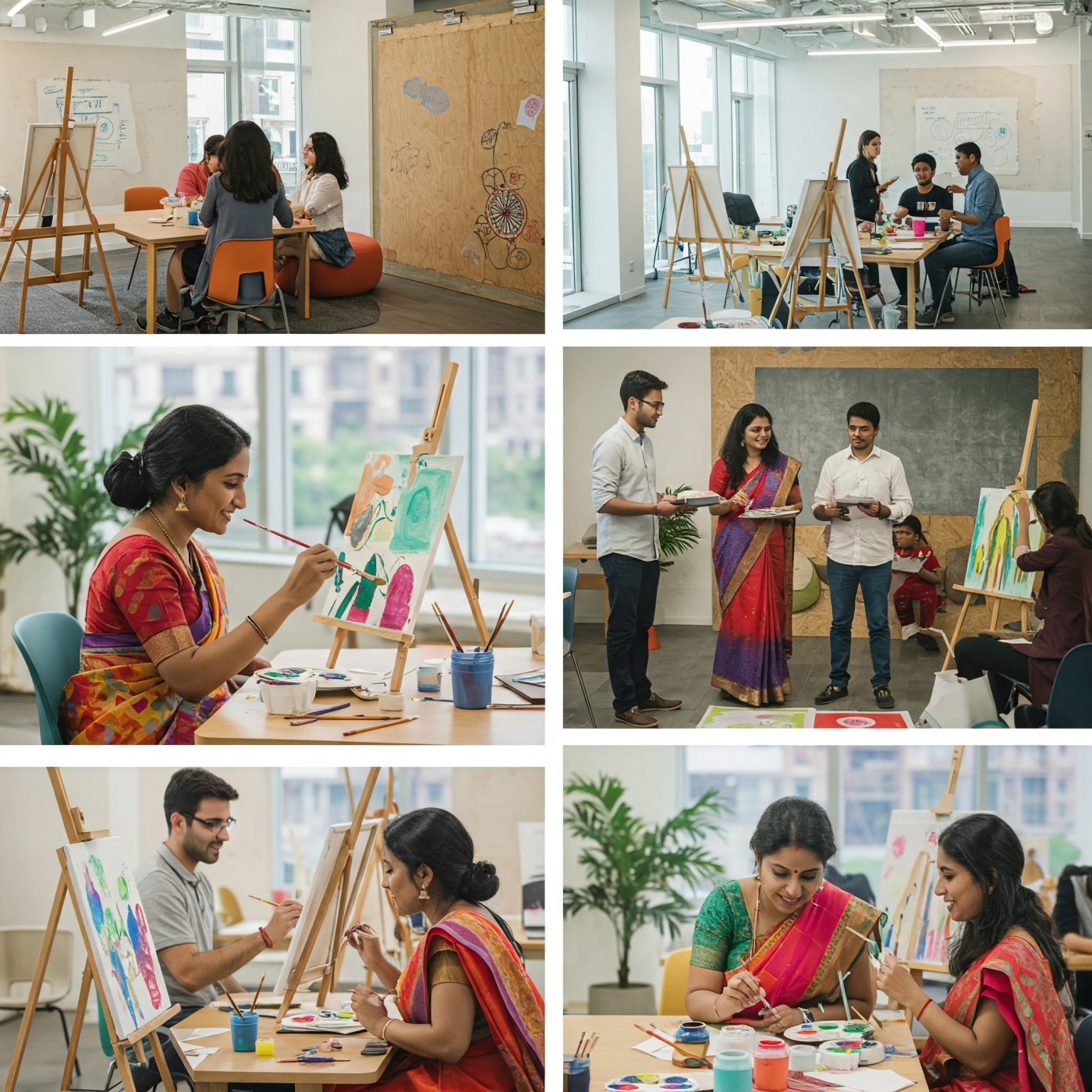
A Big Change in How We Think About Mental Health: the WHO’s Call for a Pattern Shift
The World Health Organization (WHO) has recently announced new guidance to strengthen the mental health policies and systems. This is a significant development for all countries. Dr. Tedros Adhanom Ghebreyesus, WHO Director-General, emphasizes that “Demand is rising for mental health services. Yet, quality services stay out of reach for many people.” He stresses that these services need to become more accessible. This new guidance signifies a call for a shift in how we approach mental health globally. 1.
What are the new WHO Guidelines all about ?
The WHO’s new framework focuses on these key policy areas that are crucial for improving mental health care: 2.
Promoting Holistic Care: Care should be more than just treating symptoms. It is about the whole lifestyle and physical health. It also involves psychological, social, and economic interventions. Additionally, the connection of mental and physical well-being is important. Just like how a doctor tells us to exercise and eat healthy for our heart. WHO is saying we need to do things for our mental health too.
Addressing Social Determinants: Focus on the social and economic factors that shape and affect mental health is significant. These include employment, housing, education, and social inequalities. Looking out for life’s challenges is crucial. If someone is constantly worried about having enough to feed the family, there is an issue. Concern about providing good education for kids is also critical. A permanent house is another important factor. It’s going to be hard for them to feel mentally healthy.
Ensuring to Respect Everyone’s Rights: Mental health care should always treat people with respect and dignity. People should have a say in their own care and not be forced into treatment. The framework aligns mental health policies with international human rights standards. It advocates for person-centered, recovery-oriented, and rights-based approaches. This includes minimizing coercive practices and ensuring the dignity and autonomy of individuals.
Increased Investment: The WHO calls for a significant increase in investment in mental health services. It highlights the economic benefits. There are also social benefits of prioritizing mental health care. We need to put more money and effort into mental health services. It’s not just a cost; it’s an investment in a healthier and more productive society.
Community-Based Services: The guidelines promote the development of community-based mental health services. These services serve as a choice to outdated institutional models. The aim is to give care within people’s own communities. Instead of just having big mental hospitals, we need more services in our own neighborhoods, like clinics and support groups.
How Non-Clinical Art Therapy fits in with WHO Principles ?

Non-clinical Art Therapy, emphasis on creative expression and self-discovery. It aligns strongly with several of the WHO’s key principles explained above. Art is used for self-expression and well-being in non-clinical Art Therapy. It is not just to “cure” mental illness. This approach works well with what the WHO is saying: 3.
Promoting Holistic Care and Taking Care of the Whole Person: Art therapy helps people express their feelings. It reduces stress and helps individuals get to know themselves better. These are all important for overall mental and emotional health. Creating art can be like a healthy hobby. It helps you relax and deal with worries. This is just like playing a sport or listening to music. Non-clinical Art Therapy inherently supports holistic well-being. It encourages emotional expression, stress reduction, and self-awareness, all of which contribute to psychological and social well-being. By engaging in the creative process, individuals can improve their coping mechanisms and enhance their overall quality of life.
Addressing Social Determinants by Dealing with Life’s Challenges: Art can be a powerful tool. It helps cope with stress from work, family, or other problems. It can give you a sense of control and empowerment. If you’re feeling overwhelmed at work, take a break to draw or paint. This can help you clear your head. It can also make you feel more balanced. Non-clinical Art Therapy does not directly tackle social determinants like housing. Nevertheless, it can empower individuals to navigate the stress and challenges that arise from these determinants. It can build resilience. It fosters a sense of community. It also provides a positive outlet for self-expression. Each of these can mitigate the negative impact of social stressors.
Ensuring and respecting every Human’s Rights: Non-clinical Art Therapy gives people a safe space to be themselves. It allows them to express their own thoughts and feelings through art. Non-clinical Art Therapy, when practiced ethically, upholds the principles of person-centered care and autonomy. It provides a safe and non-judgmental space. Individuals can explore their emotions and experiences. This respects their right to self-expression and self-discovery.
Community-Based care and Services: Art therapy workshops and groups can be offered in community centers. They can also be conducted in schools or even workplaces. This makes them accessible to more people. Non-clinical Art Therapy can be readily integrated into community-based initiatives. Workshops, groups, and creative projects can be offered in community centers. They can also take place in schools and other settings. This promotes well-being and fosters social connection.
A possible Contribution to the WHO’s Vision
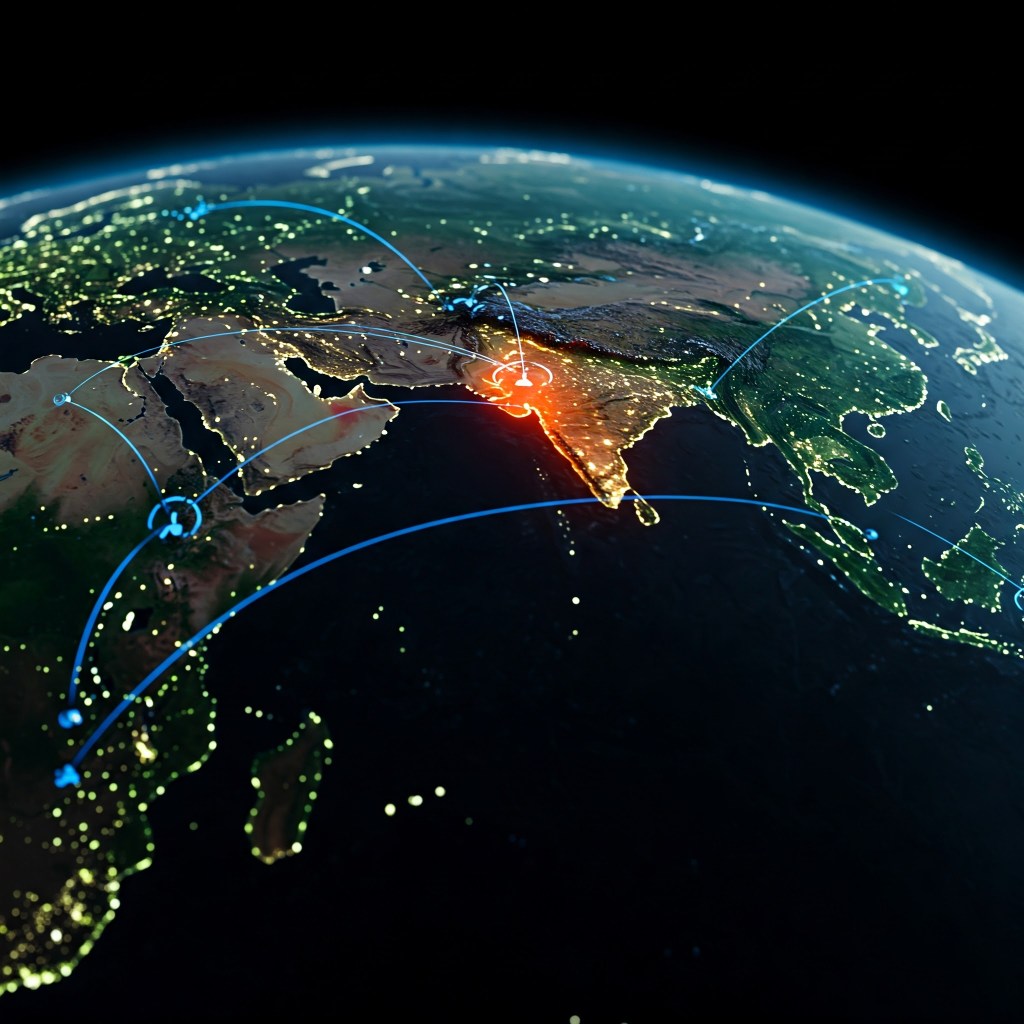
Increased Awareness: We can work to increase awareness of the benefits of non-clinical Art Therapy in India. This will help tackle the stigma surrounding mental health. It also promotes the use of creative expression for well-being. It can help more people in India understand what non-clinical Art Therapy is and what it is Not. It can also show how it can help them in their daily lives.
Make Services Available: We can offer affordable and accessible workshops, online resources, and programs. By doing this, it can bring the benefits of art therapy to more people. Online resources and community programs will also help make them available to a wider range of the Indian population.
Culturally Relevant Practices by the Use Indian Culture: Focusing on using Indian art forms will make therapy more effective. It increases effectiveness for people in India. Traditions in therapy will also be more meaningful. These practices guarantee that interventions are effective. They resonate with the specific needs and values of the Indian context.
Empowering Individuals by helping people, help themselves: Empower individuals to take an active role in their own well-being. This aligns with the WHO’s emphasis on self-care and personal agency. Non-clinical Art Therapy is all about giving people the tools to improve their own well-being through creativity.
The Importance of Investment

The WHO emphasizes that investment in mental health is an investment in a better life and future for all. To fully realize the potential of non-clinical Art Therapy in contributing to this vision, it is crucial to: 4.
Support Research: Funding and resources are needed to conduct rigorous research on non-clinical Art Therapy. It is important to study its effectiveness in various settings. Diverse populations within India should also be considered. We need studies to show how well non-clinical Art Therapy works for people in India.
Promote Training: Invest in training programs for practitioners and facilitators. This investment will guarantee the quality. It also ensures ethical delivery of non-clinical Art Therapy services. We need to train more people to lead art therapy activities and workshops.
Integrate into Existing Programs: Exploring opportunities to integrate non-clinical Art Therapy into existing government and NGO initiatives. These initiatives focus on health, education, and community development. This integration can expand its reach and impact.
How This Helps Indian Workplaces
This is where it gets really important for businesses!
- Happier, Healthier Employees: Just like physical health, mental health affects how well people work. When employees are less stressed and more emotionally balanced, they’re more focused, creative, and productive.
- Less Sick Leave: Stress and mental health problems can lead to people taking more time off work. Art therapy can help prevent this.
- Better Teamwork: Art activities can help people communicate better, understand each other’s feelings, and work together more effectively.
- A Positive Image: Companies that care about their employees’ well-being are seen as better places to work. This can attract and keep good employees.
- Example: Imagine a company offering a weekly art therapy workshop during lunch breaks. Employees use this time to de-stress, connect with colleagues, and return to work feeling refreshed.
Conclusion
The WHO’s new guidelines gives a powerful framework for transforming mental health globally. Non-clinical Art Therapy emphasizes creativity, self-expression, and holistic well-being. It aligns strongly with the principles outlined in these guidelines. We have a significant opportunity to contribute to the WHO’s vision. It can do this by promoting accessible, culturally relevant practices. These practices should include evidence-informed non-clinical Art Therapy in India. By working towards increased awareness, access, and investment, we can empower individuals and communities to thrive.
- Citation: WHO. (2025). New WHO guidance calls for urgent transformation of mental health policies. https://www.who.int/news/item/25-03-2025-new-who-guidance-calls-for-urgent-transformation-of-mental-health-policies
- Citation: WHO. (2025). Guidance on mental health policy and strategic action plans: Module 2. Key reform areas, directives, strategies, and actions for mental health policy and strategic action plans.1https://www.who.int/publications/i/item/9789240106819
- Citation: Read the blog post on the power of nonclinical Art Therapy https://incatblog.wordpress.com/2025/04/08/unlocking-creativity-the-power-of-non-clinical-art-therapy/
- Citation: WHO. (2022). WHO highlights urgent need to transform mental health and mental health care. https://www.who.int/news/item/17-06-2022-who-highlights-urgent-need-to-transform-mental-health-and-mental-health-care (This older WHO report also emphasizes the need for increased investment)
 Indian Non-clinical ART THERAPY
Leave a comment