By: Hemali Koringa, Indian non-clinical Art Therapy, IncAT.
Walking into The Beatle Hotel in Powai for the Indian Mental Health Summit 3.0 (IMHS 3.0), I felt an incredible surge of positive energy. This was India’s largest independently organized mental health conference , bringing together the nation’s most brilliant minds—a sea of clinical psychologists, psychiatrists, counsellors and academics. My role was unique: an aspirant of non-clinical Art Therapy. I knew I was present to champion a vital, burgeoning field, and that unique vantage point gave me a powerful, positive lens to view the future.
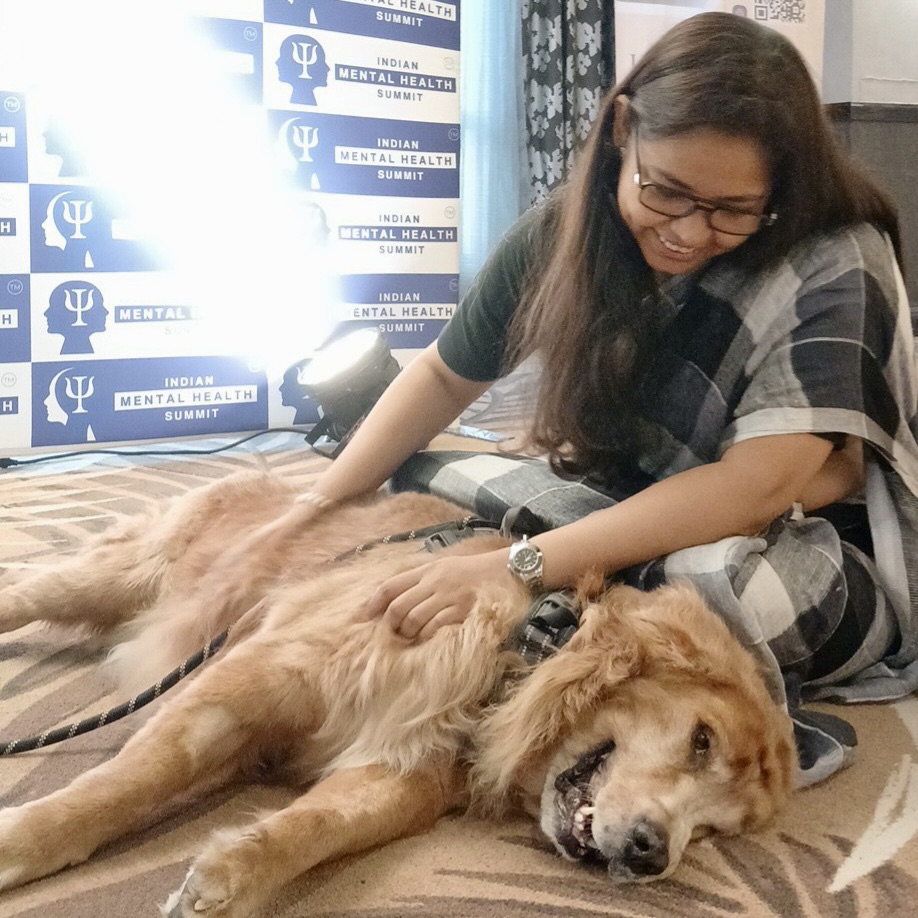
My journey began with an immediate sense of welcome. The founder, Pritha, complimented my sari, instantly making me feel at ease. Any lingering doubts about my place evaporated completely when I encountered the Therapy Dogs near registration—those beautiful Golden and White Retrievers were an instant mood reset, a simple, pure moment of non-verbal connection. Later, finding Misal, one of my comfort foods, served for breakfast felt like a private sign, or “Simzz”: this event was going to validate my path.
I was ready to see exactly how my discipline would intersect with the clinical frontier.
Day 1: Claiming the Non-Verbal Space
Day one was a powerful confirmation that Art Therapy’s principles are already central to mental health discourse.
I Found Our Shared Language: The host opened the summit with a quick metaphorical check-in, Rose, Thorn, and Bud. I realized immediately: this is the essence of Art Therapy! We just translate those exact same feelings into the language of line, shape, and color. My belief in non-verbal communication was further affirmed when the host introduced the sign language interpreters, whose tireless and expressive work spoke volumes without uttering a sound. This was my first huge gain: Our language of metaphor and expression is universal, and necessary.
I Gained the Mandate to Stop Waiting: During the crucial panel on “Sex Ed Without Shame,” the experts, including Anuj Kesh and Nehal Parekh, delivered a powerful message that became my personal mandate. While candid about the regulatory struggles, they told me directly: “Don’t wait for the national framework to let you in. Start on a private business. Start working.” This was liberation. It confirmed that the struggle for licensing is shared across all disciplines, freeing me to focus on building the ethical and academic foundation for Indian nonclinical Art Therapy now.
I Discovered Art Therapy’s Economic Value: The session on “The Billion-Dollar Future of Geriatric Psychology” spoke directly to the future. Experts like Dr. K. Jayashankara Reddy confirmed that due to modern life (like screen dependence leading to diminished working memory), specialized care for the elderly is a vast, necessary growth sector.
My Gain: Art Therapy is a vital solution. It is a powerful, non-verbal tool that bypasses memory limitations, offering person-centered, dignified engagement for the elderly. By framing this crucial need in strategic, economic terms, the summit gave me the platform to show that non-clinical arts are an essential, scalable investment.
I Proved Art Therapy’s Diagnostic Power: I realized I was not a competitor, but a necessary specialist on the team, an idea reinforced by the Sports Psychology panel who stressed the need for collaborative, multi-disciplinary work. My biggest moment came when I demonstrated the Birds Nest Drawing tool for attachment analysis during the Couple & Sex Therapy discussions. I explained how the art could reveal a client’s hidden identity struggle that was impacting her marriage. The experts were mesmerized. This proved that non-clinical Art Therapy is a profound, qualitative diagnostic tool that cuts through verbal barriers.
Day 2: The Scope is Inside the Room
Day two reinforced the idea that my job is not to convert the clinical world, but to partner with it.
I Grounded the Clinical Conversation: After saying hello to the Therapy Dogs, I was ready to contribute. The host asked how we stay mindful, and I proudly shared the Five Senses Metacognition Activity I use to bring the “bullet train of thoughts” back to the present, asserting my field’s voice on the main stage.
I Identified the Perfect Solution to the Digital Crisis: The panel on Modern Addictions in Children, featuring Gestalt Psychotherapist Prof. Dr. Yaron Ziv , was my major win. He stated that addiction is not the problem; it is the wrong escape solution for a foundational void—a lack of belonging.
My Gain: Art Therapy is the perfect “right escape solution.” It is a non-verbal way to build sustained gratification, emotional regulation, and belonging. It’s the hands-on, therapeutic alternative to screen addiction that the clinical experts were urgently asking for.
I Embraced the Mission to Lead Regulation: The session on “Unlicensed & Unchecked,” while focused on clinical licensing, was ultimately empowering. Since there is no official governing body for non-clinical arts in India, the panelists strongly encouraged us to establish our own ethical rules and mindful frameworks. I realized this is my highest calling: to pioneer and codify the standards for ethical non-clinical Art Therapy, setting the precedent for future practitioners.
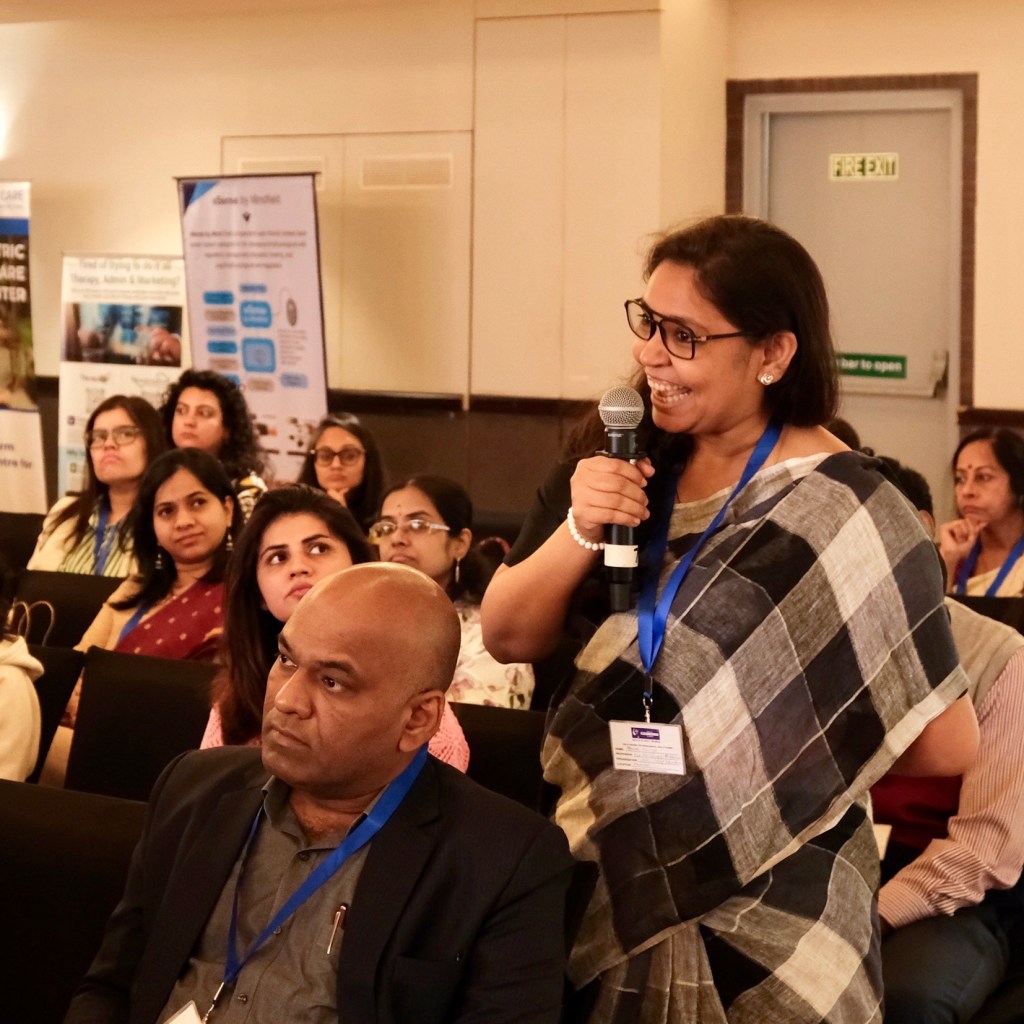
I Imparted Awareness Through Intervention: In the closing sessions, I continued to inject non-clinical wisdom. When an audience member asked how to overcome the feeling of being “stuck” in a high-pressure moment, I offered my quick therapeutic fix: The Scribble in a Cloud—a simple, non-dominant hand drawing exercise for shifting focus and regulating emotion. It was a perfect, practical example of the accessible strategies non-clinical Art Therapy offers.
My Final, Positive Conclusion
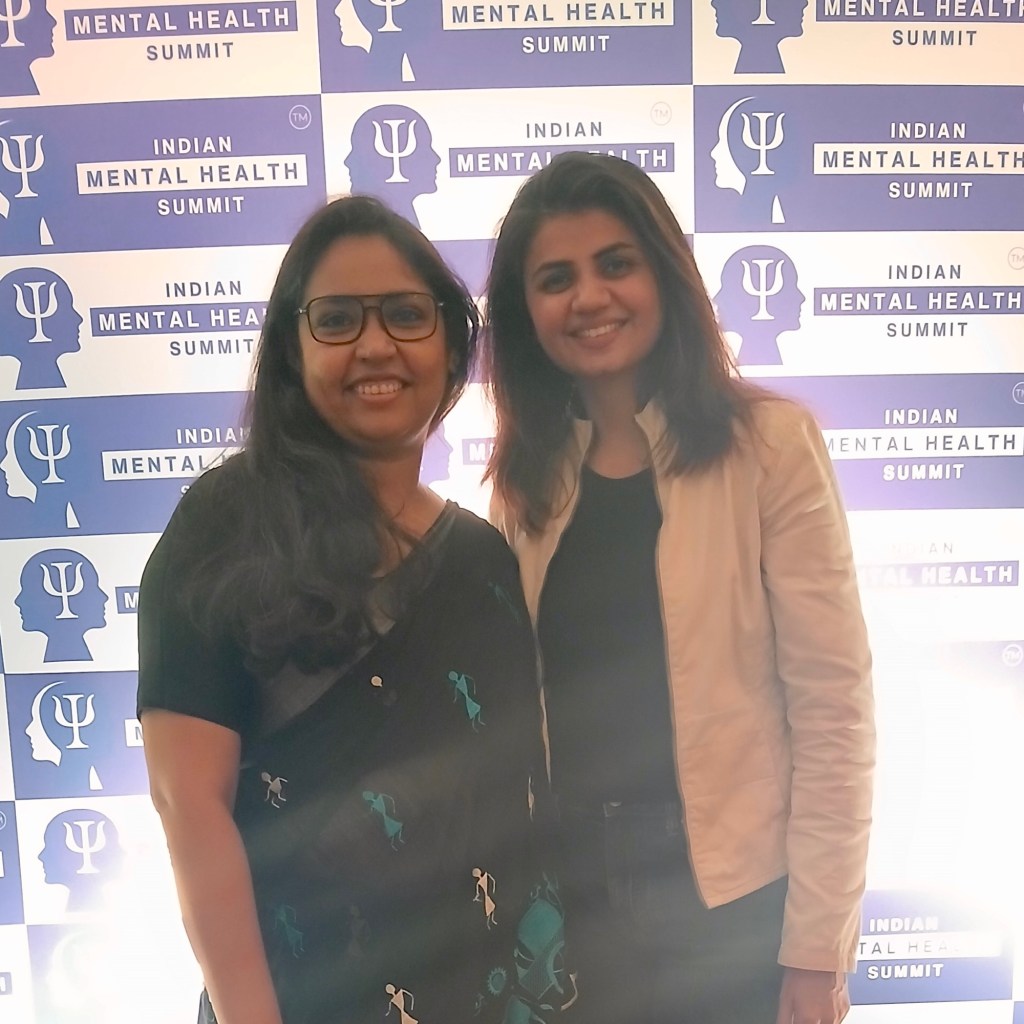
My greatest gain from the summit was this belief: The clinical mental health facilitators are my primary audience. By imparting the knowledge of non-clinical Art Therapy to them—not only for holistic therapy but for qualitative assessment and analysis—we can achieve greater mental health awareness and care in India. I am proud to be an academic Art Therapist working to build this essential, structured, and ethical field. The mental health revolution needs all of us, and I’m ready to lead the creative arm of that change.
Ready to Explore the Power of Non-Clinical Art Therapy?
The future of mental well-being in India requires this vital collaboration. Whether you are a clinical professional seeking new assessment tools or an individual looking for a non-invasive path to resilience, we are here to partner with you.
Connect on email for a detailed discussion of your point of you and to collaborate. Write to me here.
 Indian Non-clinical ART THERAPY
Leave a comment