The Art of Belonging: What I Achieved as an aspirant Non-Clinical Art Therapist at India's Biggest Mental Health Summit
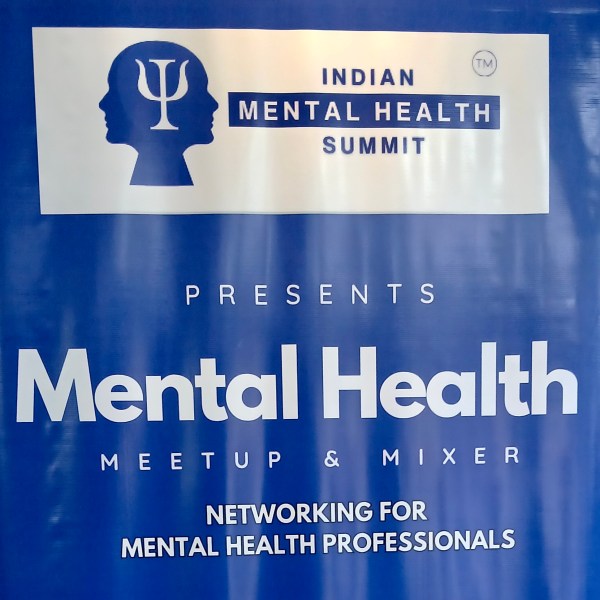
Walking into the Indian Mental Health Summit 3.0 (IMHS 3.0) in Mumbai, I was ready to champion non-clinical Art Therapy among hundreds of clinical professionals. My unique position wasn't a barrier—it was a beacon, immediately validated by powerful connections like the grounding presence of the Therapy Dogs, who reminded me that non-verbal care is the foundation of healing.
My two days were a deep dive into India's most urgent clinical challenges. From the strategic discussion on the "Billion-Dollar Future of Geriatric Psychology" to finding the perfect "right escape solution" for youth digital addiction (a concept explored by Gestalt experts), I realized non-clinical Art Therapy is the crucial, affordable answer the clinical field is seeking. We even proved its diagnostic power live by showcasing how a non-verbal Art Therapy tool can reveal complex emotional truths that verbal methods often miss.
The ultimate mandate came from the experts themselves: stop waiting for slow regulations and start building our own ethical standards. My biggest realization? My audience is not outside the clinical room—it’s the professionals inside. I am leaving the summit prepared to lead the collaboration, bringing academically rigorous Art Therapy to work hand-in-hand with the established system to transform mental health awareness in India.
Read the full story of my journey and strategic vision here
 Indian Non-clinical ART THERAPY